Stranded Vehicles Moved Without the Wait
Towing Services in Killeen for drivers stuck on active roadways, in parking lots, or needing transport to a repair shop
Fast Lockouts operates 24-hour towing in Killeen, dispatching flatbed, medium duty, and motorcycle-capable units any time a vehicle becomes disabled or needs to be moved. Drivers on the shoulder of a busy commuter corridor get one call that covers towing, jump starts, lockouts, tire help, fuel delivery, and mechanic assistance—no separate companies, no second dispatch. That consolidated response matters most when a vehicle is partially blocking traffic and the situation needs to be resolved in one contact.
When a tow is needed, the process begins with confirming vehicle type, exact location, and destination so the right unit gets assigned before anyone leaves the yard. Flatbed equipment is standard for front-wheel-drive and all-wheel-drive vehicles where dragging on the rear wheels would damage the drivetrain, while medium duty equipment handles larger trucks and commercial vans that a standard light-duty wrecker cannot safely carry. Killeen's mix of military-adjacent traffic, high-volume retail corridors, and newer residential subdivisions means dispatch has to account for both high-clearance lots and tighter neighborhood streets when routing a unit.
Arrange a dispatch by calling Fast Lockouts directly to confirm vehicle type and location so the correct unit is assigned for your situation.
What Proper Vehicle Recovery Actually Requires
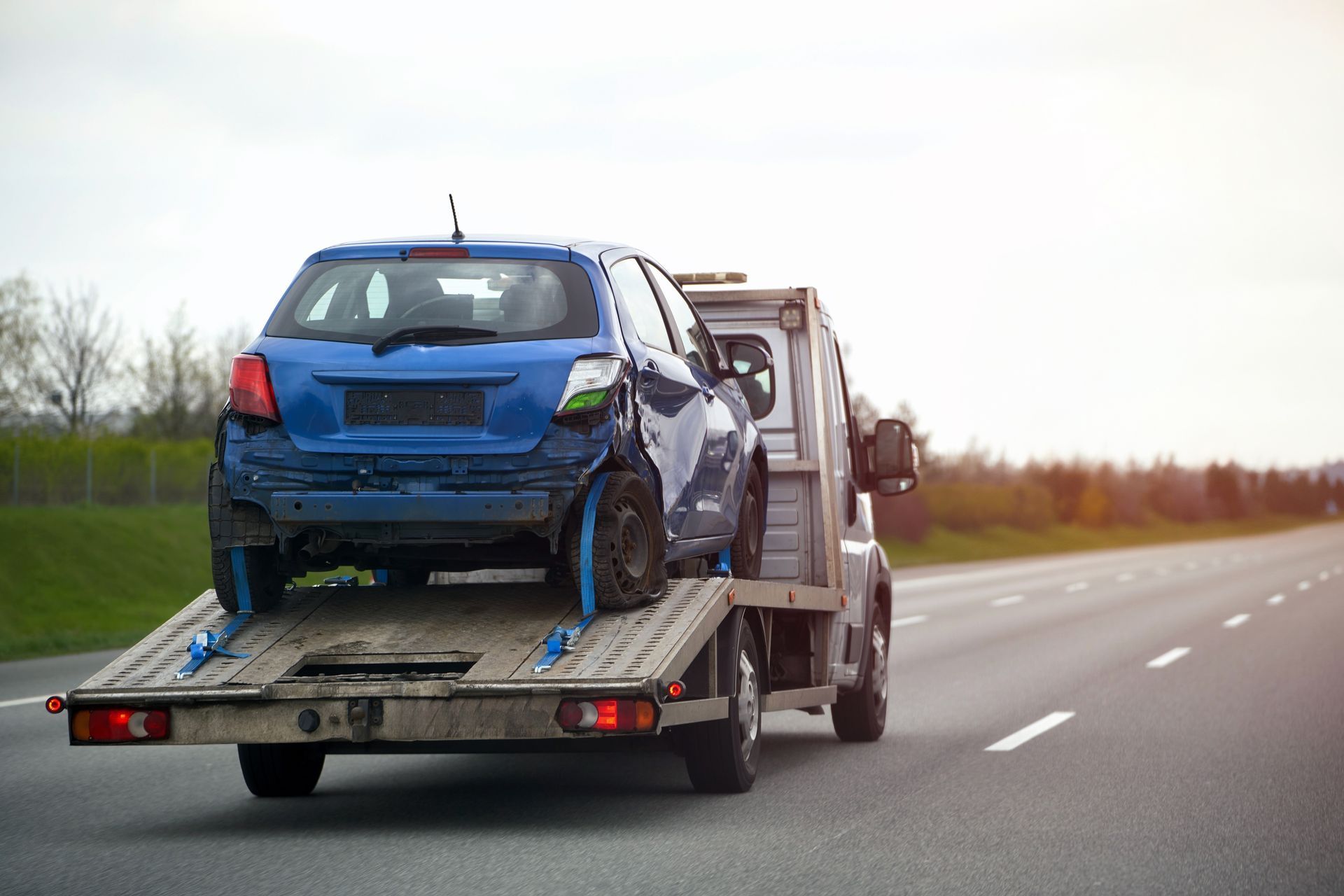
A tow that looks straightforward can become complicated the moment a driver attempts to load the wrong vehicle class onto an undersized unit. Fast Lockouts carries flatbed, medium duty, and motorcycle capability specifically because the loading method has to match the vehicle's drivetrain configuration and weight class—loading incorrectly puts stress on suspension components and can void manufacturer recommendations for towing. The driver confirms make, model, drive type, and any prior damage before hooking up, which affects which attachment points are used and how the vehicle is secured to the deck.
Once the vehicle is loaded and secured, you'll see it arrive at your chosen destination exactly as it left—no additional scrapes, no dragging marks on bumpers, no wheel damage from an improper tow configuration. Fast Lockouts also holds a service contract with the City of Austin covering fire trucks and ambulances, which means the equipment and protocols in use are calibrated to handle both private passenger vehicles and specialized commercial units. That operational range is observable in how the driver approaches load management and destination confirmation before moving the vehicle.
Because Fast Lockouts covers towing alongside lockouts, jump starts, tire changes, and fuel delivery, a driver who calls for a tow and then discovers the battery is also dead doesn't need a second service call—the driver on scene can address both. This matters for situations where the vehicle's actual condition isn't fully known until a technician is standing next to it, which is common after a breakdown on an unfamiliar road.
Common Questions About How Towing Works
The questions below address how the towing process works, what determines which equipment responds, and what drivers can expect from the moment of dispatch through delivery at a destination.
What determines whether a flatbed or a wheel-lift unit is used?
The vehicle's drivetrain is the primary factor—all-wheel-drive and four-wheel-drive vehicles require flatbed transport because all four wheels must remain off the ground to prevent internal damage to the transfer case and differentials. Front-wheel-drive vehicles also typically use flatbeds for the same reason, while some rear-wheel-drive vehicles can be safely moved on a wheel-lift with the drive wheels raised.
How is a motorcycle transported differently from a passenger vehicle?
Motorcycles require dedicated cradles and tie-down points that prevent the frame and bodywork from being stressed during loading and transit. Fast Lockouts carries motorcycle-specific equipment rather than improvising with standard wheel chocks, which matters for sport bikes and cruisers where contact at the wrong point can crack fairings or bend footpegs.
What information should a driver have ready when calling for a tow?
Location is the most critical detail—cross streets, a mile marker, or a nearby landmark help dispatch route the unit accurately, especially in Killeen's newer subdivisions where GPS addresses sometimes lag behind recently built street layouts. Vehicle make, model, and whether the vehicle is in a drivable position or fully disabled affects both equipment selection and estimated arrival.
Why does the driver confirm attachment points before hooking up?
Modern vehicles have designated tow points built into the frame or subframe, and attaching to the wrong location—such as a plastic bumper cover or a structural seam—can cause damage during loading that wasn't present before the tow. Confirming these points before any hook-up is a standard professional step, not an optional one.
What happens if the vehicle's condition turns out to be different than described over the phone?
The driver assesses the actual situation on arrival and selects the appropriate method based on what the vehicle needs, not what was assumed during dispatch. If the vehicle requires a different unit size or an additional service like a jump start before it can be safely loaded, that determination is made on site.
Fast Lockouts also provides towing in Austin, Temple, Buda, Elgin, and Round Rock. To arrange service or confirm which unit is right for your vehicle, contact Fast Lockouts directly with your location and vehicle details so dispatch can send the correct equipment immediately.