
Flat Tires Handled Safely Without a Shop Bay
Tire change service in Killeen for flat tires on highways, parking areas, and local roads when a spare is available or air pressure is the only issue
A flat tire on a busy road creates an immediate problem that most drivers cannot solve without the right equipment and a safe place to work. Fast Lockouts provides roadside tire change service across Killeen and the surrounding Austin metro area, arriving with mounting equipment to address the situation based on what your vehicle actually needs. If you have a usable spare, the flat comes off and the spare goes on. If your tire needs air only, it gets filled on the spot. Service covers the assessment and the work that can be completed safely at the roadside.
The distinction between what gets handled roadside and what requires a shop matters practically. Mounting a new tire at the roadside is not a service Fast Lockouts performs, and that decision is deliberate. Proper new-tire installation requires a shop bay for balancing, torque verification, and crew safety that cannot be replicated on the shoulder of a highway or in a parking lot. When a spare is not available or is itself unusable, the vehicle is towed to a tire facility where the installation is done correctly. That call is made at the scene based on what the technician observes, not based on what would be fastest.
Call Fast Lockouts with your location and a description of the tire condition so the technician arrives prepared for what your vehicle specifically needs.
How Roadside Tire Service Is Done Correctly
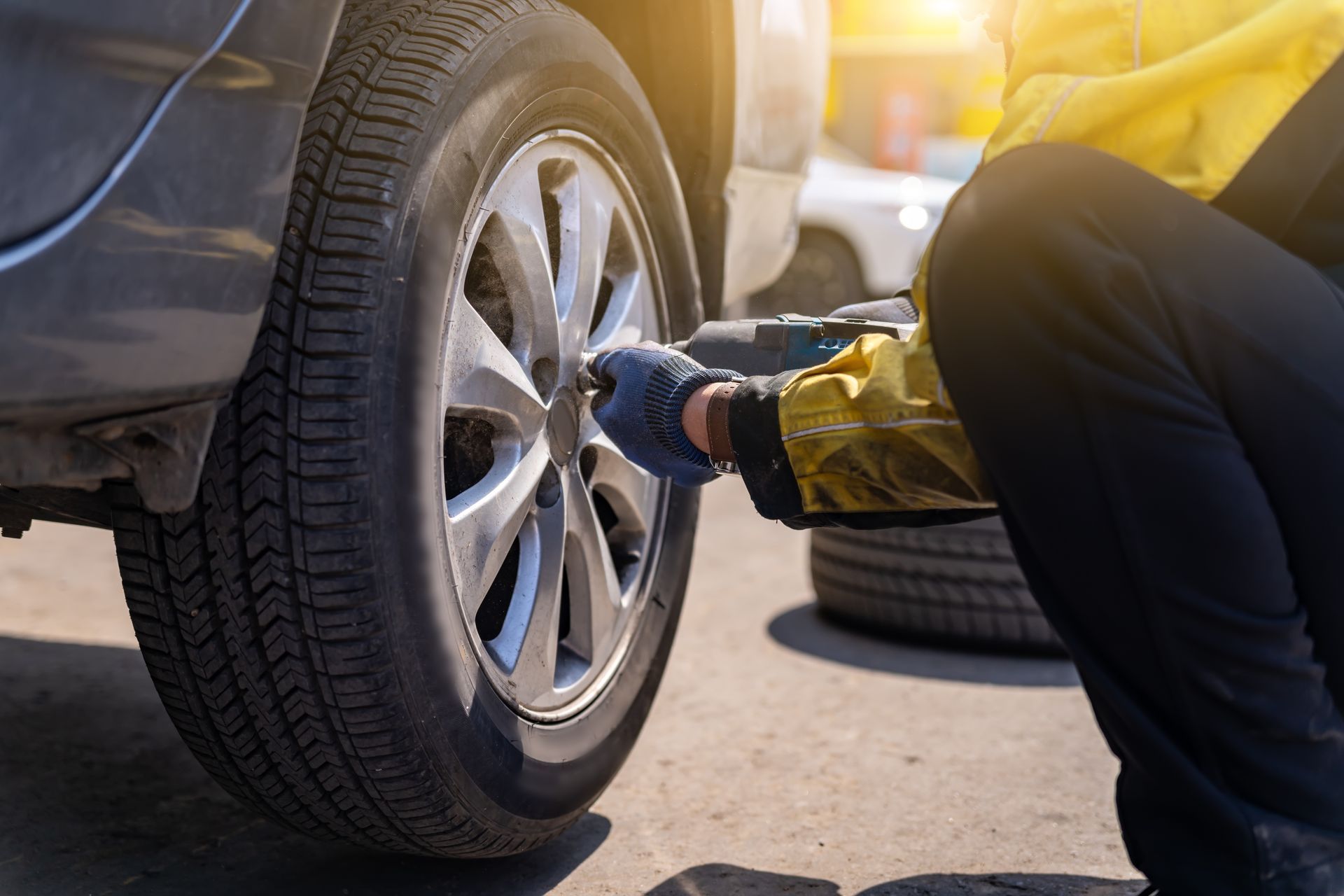
Roadside tire change on Austin-area highways and local roads involves specific sequencing. The technician positions the service vehicle safely, locates your spare, inspects it for usable pressure and structural condition before removing the flat, and then mounts the spare using proper equipment. A spare that shows cracking, sidewall damage, or insufficient pressure does not get mounted—doing so would put the vehicle back on the road with a second compromised tire, which is a safety problem that overrides the convenience of finishing quickly. Fast Lockouts carries this assessment step as a standard part of every roadside tire call.
Once a spare is mounted, you will notice the vehicle sits level, handles predictably, and is ready to drive to a tire shop for a permanent replacement. Most spare tires—particularly compact spares—are rated for limited distance and lower speeds, and the technician communicates that directly so you know what the spare is built for before you leave the scene. Knowing those parameters means you arrive at the tire shop without having exceeded the spare's limits.
Georgetown and Austin roads reflect a wide mix of vehicle types and spare tire configurations, from full-size truck spares to compact passenger car donuts. The same mounting process applies regardless of vehicle type, but the follow-up guidance varies depending on what kind of spare was mounted and how far your destination is from the breakdown point.
Questions About How Tire Changes Work at the Roadside
Drivers often have practical questions about what actually happens when a tire service technician arrives, particularly around spare tire condition and what gets done if a new tire is needed.
What does the technician check before mounting a spare tire?
The spare is inspected for adequate air pressure and structural integrity before the flat is removed. A spare that is cracked, visibly damaged, or underinflated is not mounted, because putting a compromised spare on the vehicle creates a second roadside failure risk.
How is a roadside tire change different from a tire shop installation?
A roadside change uses your existing spare and does not involve balancing or alignment adjustment. A tire shop installs a new tire, balances it, and torques the lug nuts with calibrated equipment. The roadside service gets you moving safely; the shop visit completes the permanent repair.
Why does new tire installation require a shop rather than roadside mounting?
New tire mounting requires a mounting machine and a balancing machine that are not portable for roadside use. Mounting a tire without balancing causes vibration and uneven wear, and the process creates pinch hazards that cannot be managed safely on a highway shoulder.
When should you call for a tire change versus calling for a tow directly?
If you have a spare that is structurally sound and properly inflated, a roadside change is the faster path. If the spare is missing, flat, or damaged, a tow to a tire facility is the appropriate next step and avoids time spent at the scene on a problem that cannot be resolved there.
What happens after the spare is mounted and you are ready to drive?
The technician will confirm the lug nuts are properly tightened and advise you on your spare's speed and distance ratings. Compact spares are typically rated for lower speeds and limited mileage, so knowing those limits before you leave matters for getting to the shop safely.
Fast Lockouts also provides
tire change service in Austin, Temple, Buda, Elgin, and Round Rock. To request roadside tire service, call 737-701-2848 with your exact location so the technician arrives with the right equipment for your situation.