
Dead Battery Diagnosed and Replaced Where the Car Stopped
Mobile battery replacement in Killeen for drivers stranded by dead or failing batteries at any hour
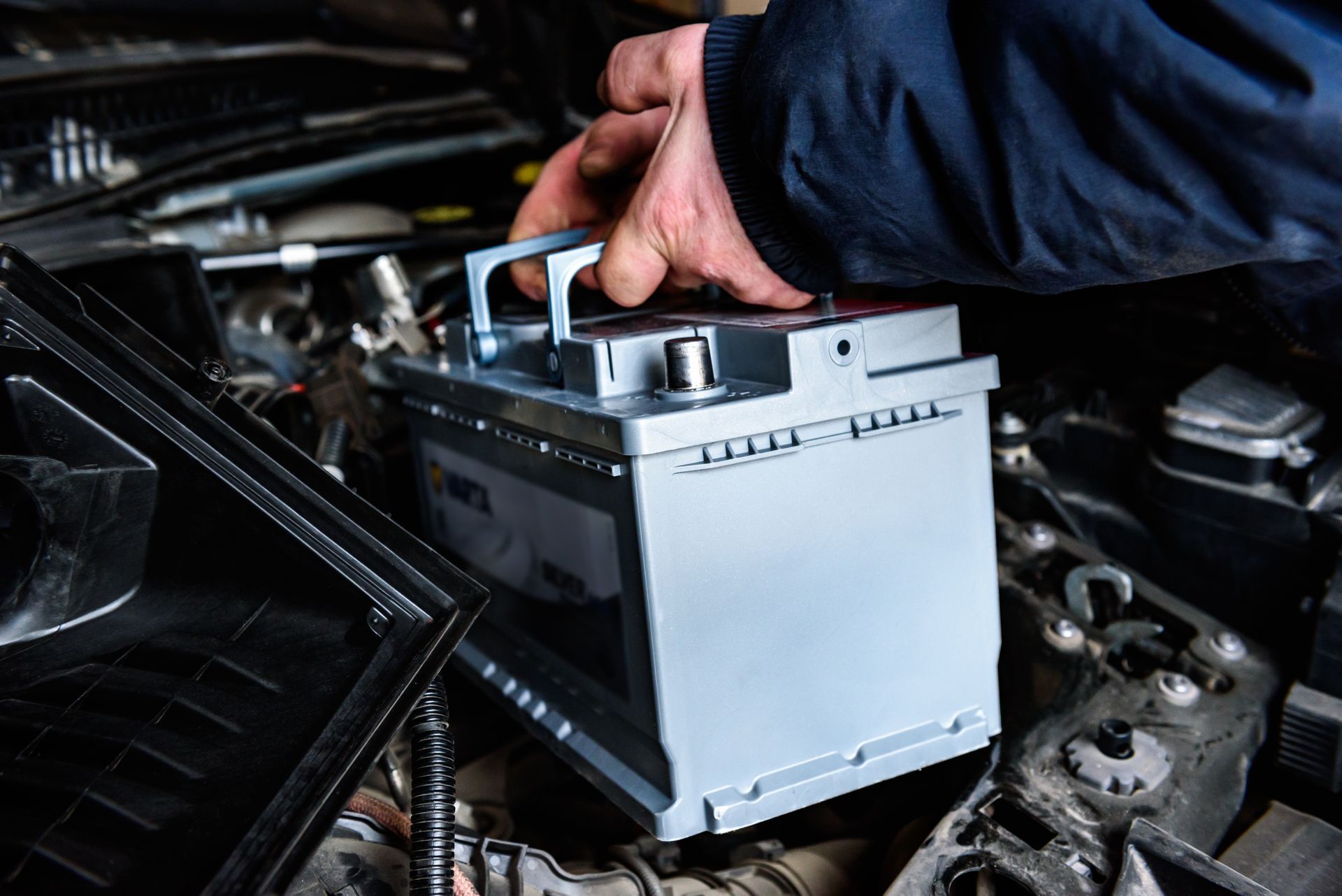
A dead battery that will not hold a jump start is not a tow situation—it is a battery situation, and replacing it on the spot gets you moving faster than loading the car onto a flatbed and delivering it to a shop. Fast Lockouts provides roadside battery replacement across the Killeen area and the surrounding 80-mile service region, 24 hours a day, seven days a week. The technician arrives with battery stock covering most domestic and import vehicles, removes the dead battery, installs the replacement, and verifies charging before leaving the scene—all of it completed at the location where the car stopped, whether that is a parking lot in Pflugerville or a surface road outside Georgetown.
Most roadside battery jobs complete within 20 to 30 minutes. The process involves disconnecting terminals in the correct sequence to protect the vehicle's electronics, removing the dead battery, installing the replacement at the correct terminal orientation, and running a charging verification before the technician leaves. Battery disposal is handled through the service—the dead battery does not stay with the vehicle owner. Fast Lockouts offers mobile battery replacement as part of a broader 24/7 roadside package that also includes jump starts, fuel delivery, and tire changes, which means if the situation turns out to involve more than just the battery, the same technician can address it without a second call.
To get a technician dispatched to your location, call 737-701-2848 and describe the vehicle and where it is stopped.
How Battery Replacement Differs from a Jump Start
A jump start applies external power to a battery that has discharged but can still hold and deliver a charge once it receives one. A battery that has failed internally—due to a dead cell, a shorted plate, or a case that has cracked from physical stress—will accept a jump and run the vehicle briefly off the alternator's output, then fail again as soon as the external source is removed. The distinction matters at the roadside because attempting repeated jumps on a battery that has internally failed wastes time and can cycle excessive current through the starter motor. Fast Lockouts technicians carry replacement stock precisely because the jump start is often attempted first and the battery's inability to hold the charge identifies the real problem on-site.
After the replacement is installed and charging is verified, the observable difference is immediate: the engine starts cleanly without hesitation, dashboard warnings related to low voltage clear, and the vehicle's electronics—clocks, radio presets, and in some cases stored transmission shift points—reset to their default state, which is a normal outcome of a full battery disconnection rather than a sign of additional problems.
Terminal sequence during disconnection matters for vehicles with sensitive electronics or battery management systems. Removing the negative terminal first and reinstalling it last prevents accidental shorts against the chassis during the swap, which is a step that distinguishes a careful battery installation from one where the technician works in whatever order is most convenient.
What to Know Before Mobile Battery Replacement Arrives
Mobile battery replacement involves a defined process with specific steps that protect the vehicle's electronics and confirm the new battery is functioning before the technician leaves. The questions below address how the job is actually performed.
How does the technician determine the correct replacement battery for your vehicle at the roadside?
Vehicle year, make, model, and engine size determine the group size and cold cranking amp rating required—the technician references the existing battery label and vehicle specifications to select the correct replacement from the stock carried on the truck.
What does charging verification involve before the technician leaves the scene?
After installation, the technician confirms the battery is accepting a charge from the alternator and that the starting voltage and resting voltage fall within the normal operating range for the vehicle, which confirms the replacement is functioning correctly rather than just installed.
Why is terminal disconnection sequence important during a battery swap?
Disconnecting the negative terminal first isolates the battery from the vehicle's chassis ground, which prevents accidental current flow through the wrench or socket if it contacts a grounded surface during removal—a step that protects both the technician and the vehicle's electrical system.
How is the dead battery disposed of after replacement?
The failed battery is removed from the scene and handled through the service's disposal process—lead-acid batteries require specific recycling and are not appropriate for standard waste disposal, so removal is part of what makes the roadside replacement complete.
What vehicles in Killeen are typically covered by the battery stock carried on the truck?
Most domestic and import passenger vehicles, light trucks, and SUVs are covered by the replacement stock—vehicles with specialized battery configurations such as certain hybrid high-voltage systems or European vehicles with coded battery management modules may require a dealership-sourced replacement instead.
Fast Lockouts also provides mobile battery replacement in Austin, Temple, Buda, Elgin, and Round Rock. If your vehicle is not starting and a jump start has not resolved the issue, call Fast Lockouts at 737-701-2848 to have a technician dispatched with replacement battery stock to your location.