Vehicles Transported Without Dragging or Contact Damage
Flatbed towing in Killeen for disabled vehicles, accident recovery, and safe transport without drivetrain contact
A flatbed tow eliminates the mechanical stress that wheel-lift and hook-and-chain methods introduce during transport—your vehicle rides fully elevated on the bed with all four wheels off the road surface. Fast Lockouts operates multiple flatbed trucks for light-duty and medium-duty vehicle recovery across the Killeen area and up to 80 miles north to south and 50 miles east to west. That coverage range reflects the reality of where breakdowns happen: on highway stretches, at intersections, and on surface roads where standard wheel-lift trucks would drag a damaged vehicle rather than carry it clean.
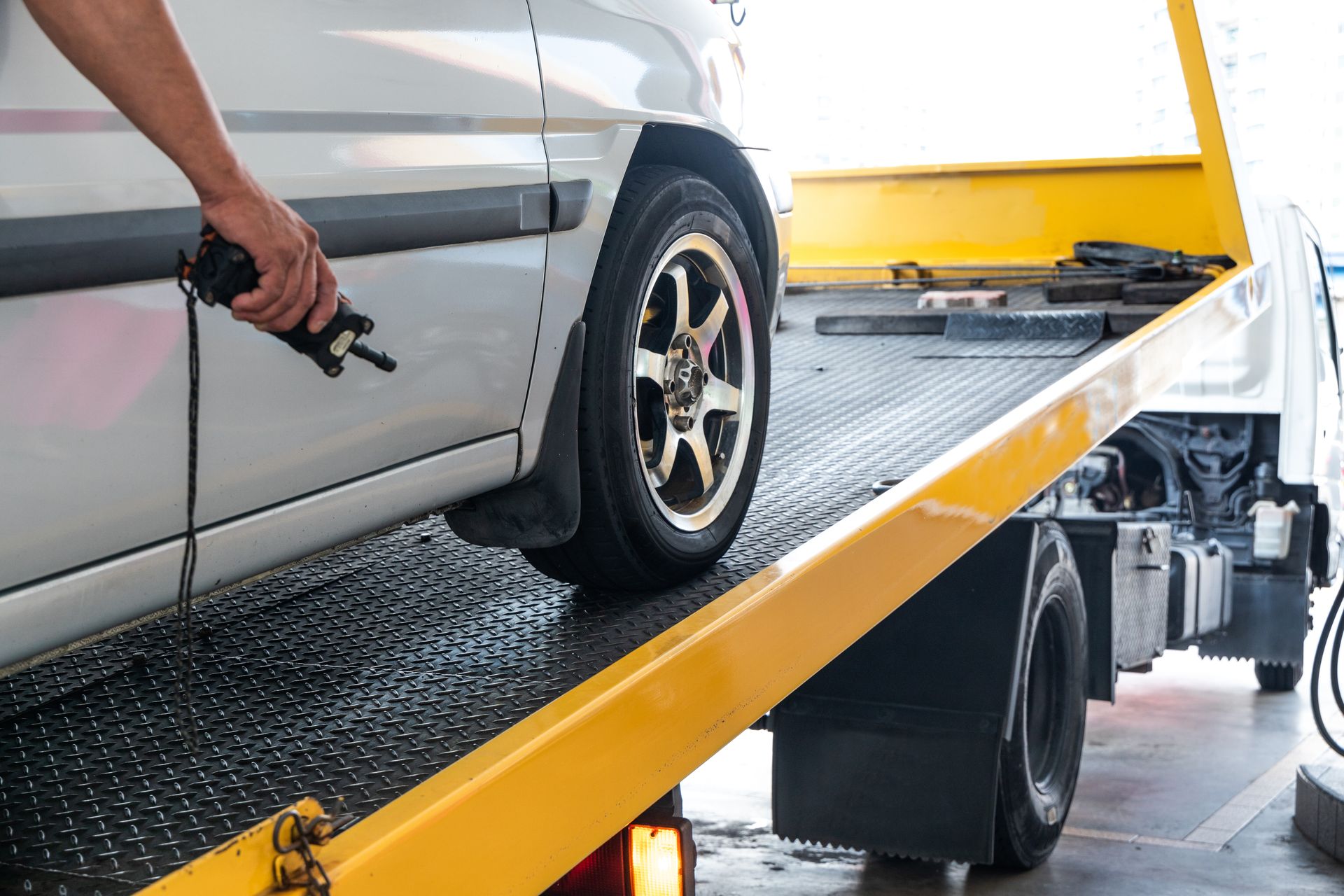
When the truck arrives, the flatbed is lowered and the vehicle is either driven onto the deck or winched up depending on whether it can move under its own power. Straps secure it at the frame before transport begins. The flatbed design is particularly important for front-wheel-drive vehicles with damaged transmissions, low-clearance cars that cannot take a wheel-lift attachment without damaging the undercarriage, and any vehicle where additional drivetrain contact during towing would create a new repair bill on top of the existing problem. Fast Lockouts works with insurance companies on vehicle recovery, so the documentation and handling standards that insurers require during transport are part of the standard process.
Request a flatbed truck dispatch to your current location by calling 737-701-2848.
What Proper Flatbed Recovery Requires on Every Job
Loading a vehicle onto a flatbed is not a single-method process. Vehicles that can run are driven onto the deck, which is the cleanest option. Vehicles that cannot move under power are winched, and the winching attachment point matters—hooking to a bumper, tow hitch, or unrated frame bracket on a damaged vehicle can pull loose and drop the load mid-recovery. Seven years of flatbed towing experience means the difference between a solid frame attachment point and a cosmetic one gets identified before the cable is under tension, not after.
Once delivered, the vehicle comes off the flatbed with its condition intact from the point of pickup. Owners who have had wheel-lift tows previously notice the difference immediately: no scraping sounds during loading, no transmission fluid displacement from an improperly supported drivetrain, and no additional suspension stress from partial-wheel contact on the road surface during transport.
Flatbed service from Fast Lockouts covers light-duty and
medium-duty vehicles within the stated radius. Oversized loads, vehicles requiring craning, or 18-wheeler recovery fall outside the flatbed service scope and are referred to appropriate heavy-duty specialists. Knowing what the equipment can and cannot safely handle is itself part of the service.
Answers About How Flatbed Towing Works
Flatbed towing works differently than other recovery methods, and understanding those differences helps you describe your situation accurately when requesting a truck. The questions below cover the practical mechanics of the job.
How does a flatbed differ from a wheel-lift tow in terms of vehicle contact during transport?
A flatbed keeps all four wheels off the road surface for the entire trip, while a wheel-lift raises only two wheels and allows the other two to roll on the pavement, which introduces drivetrain stress in front-wheel-drive vehicles and can damage vehicles with low ground clearance or compromised suspensions.
What happens when a vehicle cannot be driven onto the flatbed deck?
A winch cable is attached to a rated frame point on the vehicle, and the vehicle is pulled up the lowered deck—the attachment point is selected based on the vehicle's condition and frame integrity, not just convenience.
How are straps placed to avoid damage during transport?
Straps are attached to designated frame or tie-down points rather than body panels, axles, or plastic components, distributing load tension across structural sections that are designed to bear it.
Why is flatbed towing the recommended method for accident-damaged vehicles?
Accident damage often affects suspension geometry, wheel alignment, or drivetrain integrity in ways that make wheel-contact towing dangerous—a flatbed removes those variables by taking all four wheels off the ground entirely.
What should you have ready when the flatbed truck arrives in Killeen?
If the vehicle is locked and cannot be placed in neutral, the driver will need access to the interior or confirmation of the transmission position so the winching approach can be adjusted accordingly before equipment is attached.
Fast Lockouts also provides flatbed towing in Austin, Temple, Buda, Elgin, and Round Rock. To arrange flatbed recovery for your vehicle, call 737-701-2848 and describe the vehicle type and current location so the right truck can be dispatched.