When Standard Wreckers Will Not Handle the Load
Specialty vehicle towing in Killeen for motorcycles, salvage cars, toolboxes, and insurance recovery loads
Fast Lockouts tows vehicles and cargo that most standard wreckers turn away—motorcycles, salvage cars, scrap vehicles, and toolboxes—across a service area that reaches 80 miles in radius from Killeen. If you have ever called a wrecker for a motorcycle or a Copart recovery job and been told they cannot take it, that is the exact gap this service fills. Fast Lockouts has handled insurance vehicle recovery work directly with Copart, which means the load-securing standards required for insured salvage transport are already built into every job.
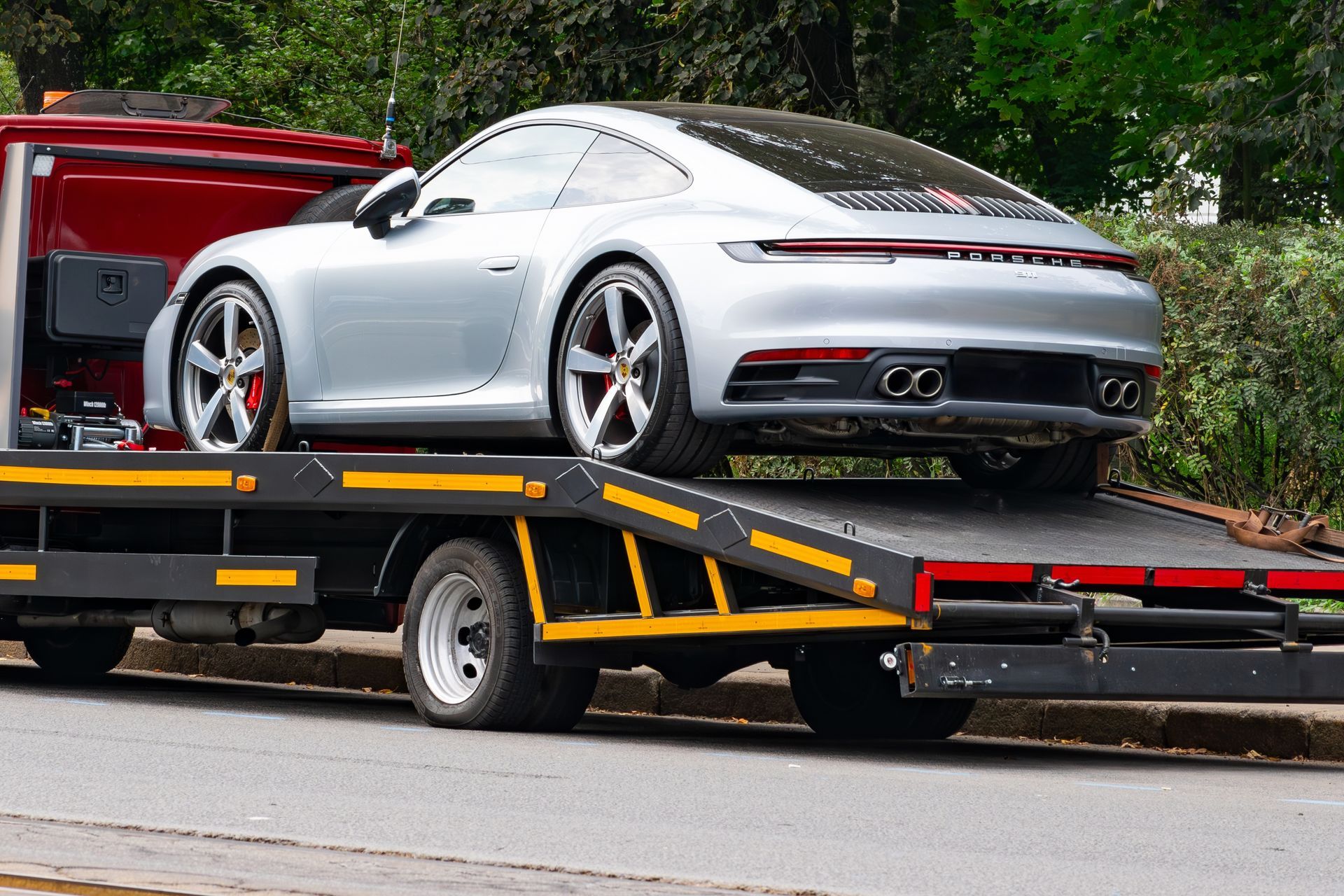
Each specialty tow starts with an assessment of what is being moved and what it requires. Motorcycles are strapped using equipment specific to two-wheeled loads to prevent fairing damage and frame stress. Salvage vehicles are loaded in a way that limits further deterioration—an improperly loaded wreck can shift during transport and compound existing damage. Toolboxes and loose cargo are contained and secured before the truck moves. The sequencing of that assessment matters because the wrong tie-down approach for a specialty load creates liability and damage that a standard winch-and-go job would never reveal.
Contact Fast Lockouts directly to describe your load and arrange transport to your destination or recovery facility.
How Specialty Loads Differ from Standard Vehicle Recovery
Seven years of towing experience that includes toolboxes, scrap vehicles, and active insurance recovery contracts with Copart means Fast Lockouts brings load-specific rigging knowledge that a general wrecker does not carry. Salvage yards and insurance recovery operations in the Austin area require carriers who understand chain of custody, condition documentation, and load integrity from pickup through delivery. A standard tow truck operator treating a salvage vehicle the same as a running car creates problems the yard or insurer will notice immediately on arrival.
After a specialty tow is completed, the difference is visible: the motorcycle arrives without scuffs or strap marks on the bodywork, the salvage vehicle reaches the yard without additional damage, and toolboxes arrive with contents contained. Those are the observable standards that define whether a specialty carrier actually handled the job correctly or just moved something from one place to another.
Specialty rigging also accounts for asymmetric loads, low ground clearance on custom bikes, and vehicles with compromised structural integrity that cannot be winched from standard attachment points. Each of those conditions requires a different
approach on-site, and identifying which applies before equipment is attached is what prevents load failures in transit.
What to Know Before Requesting Specialty Towing
Specialty towing covers a wide range of vehicle types and cargo configurations, and the questions below reflect the practical distinctions that matter when you are coordinating a non-standard tow.
What makes a tow job qualify as specialty rather than standard?
Any load that requires equipment, rigging, or securing methods beyond a basic wheel-lift or hook-and-chain connection qualifies—motorcycles, salvage vehicles with compromised structures, toolboxes, and loose cargo all fall into this category because each requires a tailored approach at the point of loading.
How are motorcycles secured during transport to prevent bodywork damage?
Motorcycle-specific wheel chocks and soft-loop tie-downs are used to hold the bike upright and distribute strap tension away from painted surfaces and fairings, which is a different setup than the ratchet straps used for four-wheeled vehicles.
Why does load assessment happen before equipment is attached?
Salvage vehicles and motorcycles with existing damage may have compromised attachment points, meaning the standard winch connection locations are unsafe—assessing the vehicle first determines which rigging method keeps the load stable without worsening the damage.
What does insurance recovery towing for Copart require compared to a standard tow?
Copart recovery jobs require condition documentation, specific loading standards, and delivery protocols that verify the vehicle's state on arrival, which is why carriers working with insurance recovery operations follow a different checklist than a roadside breakdown tow.
How does specialty towing in Killeen account for vehicles that cannot be driven onto a flatbed?
Vehicles that are non-running, locked in gear, or structurally compromised are winched onto the flatbed using appropriate anchor points identified during the initial assessment, rather than being pushed or dragged in a way that damages drivetrain components.
Fast Lockouts also handles specialty vehicle towing in Austin, Temple, Buda, Elgin, and Round Rock. To arrange a specialty tow or discuss a salvage recovery job, call Fast Lockouts at 737-701-2848 and describe the load type and destination before dispatch.